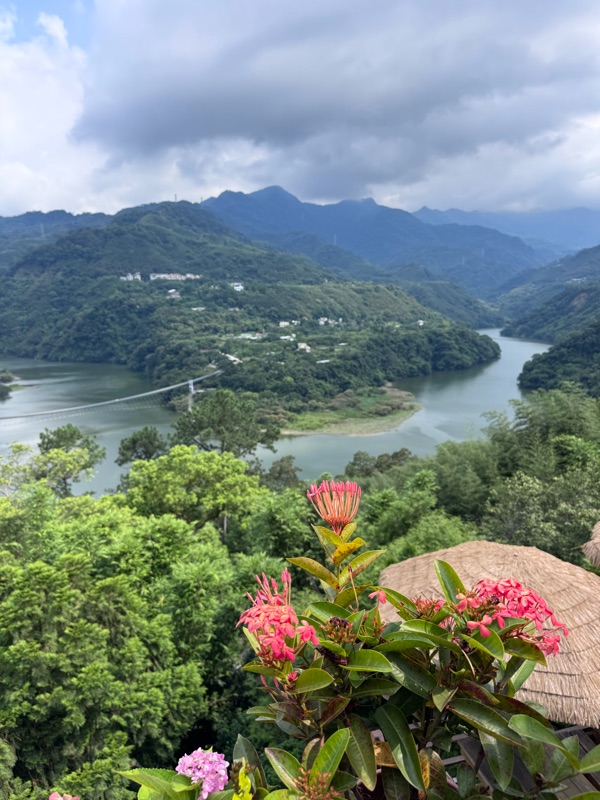
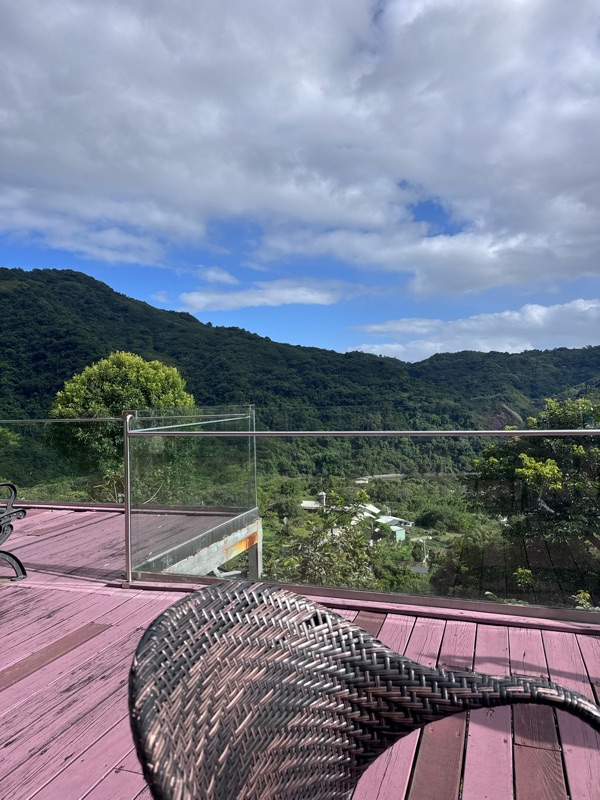
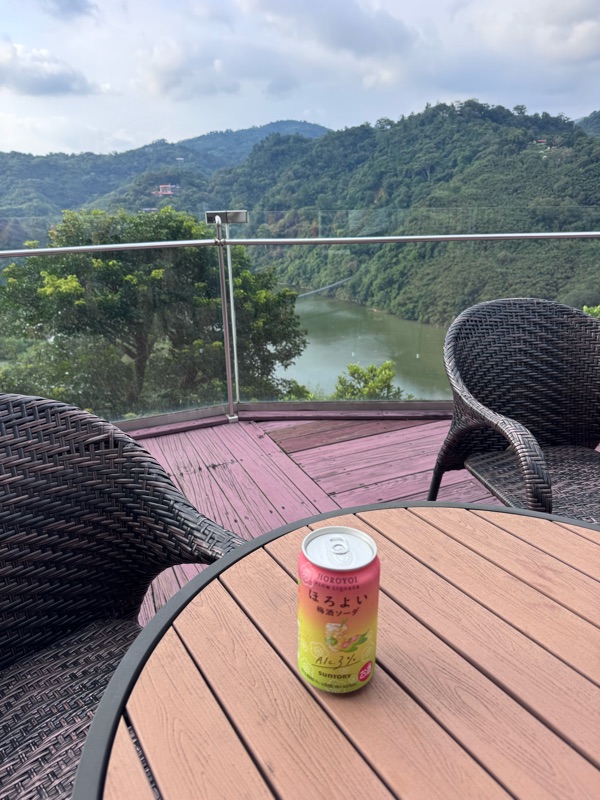
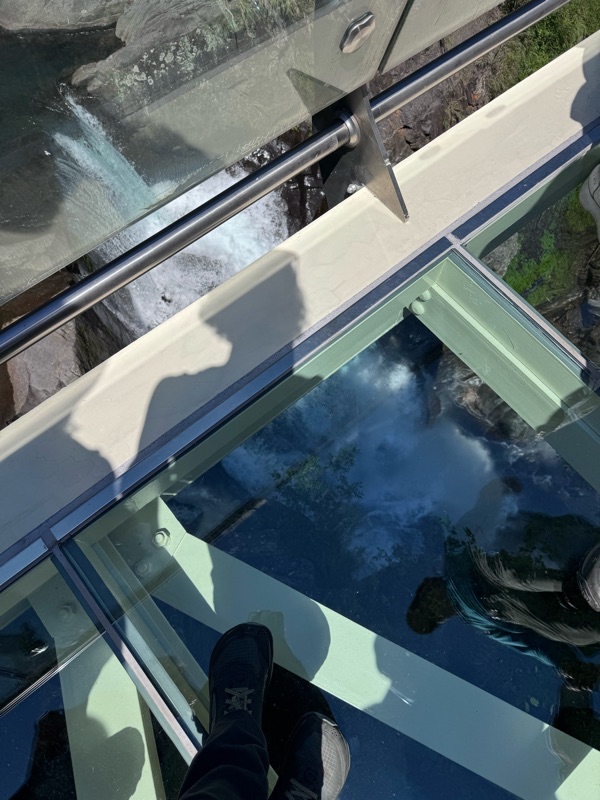
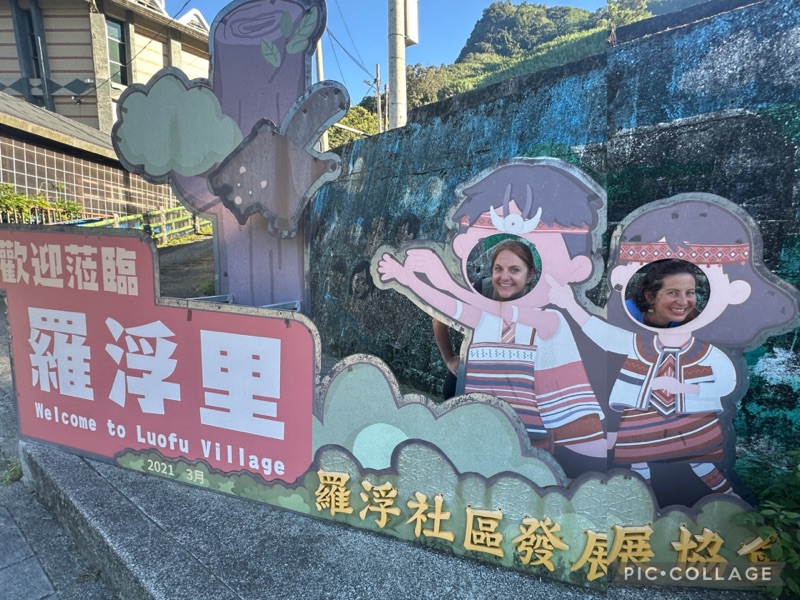
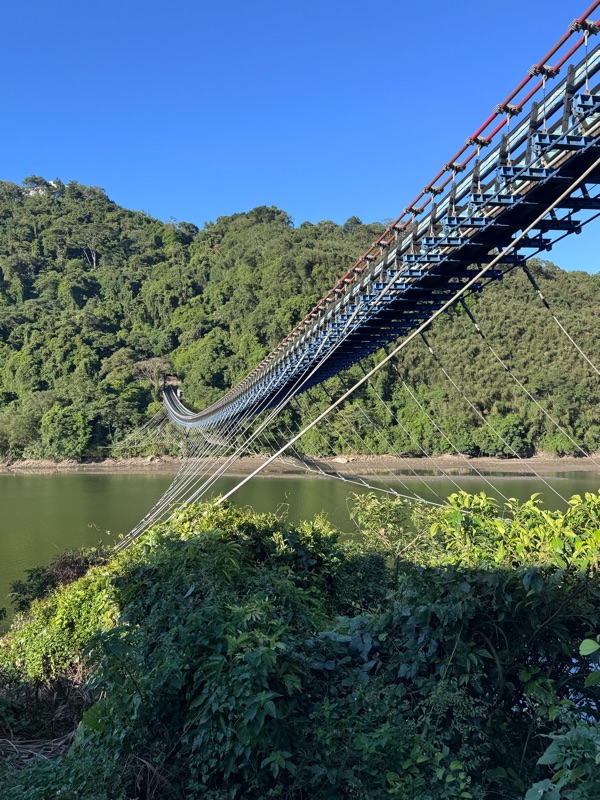
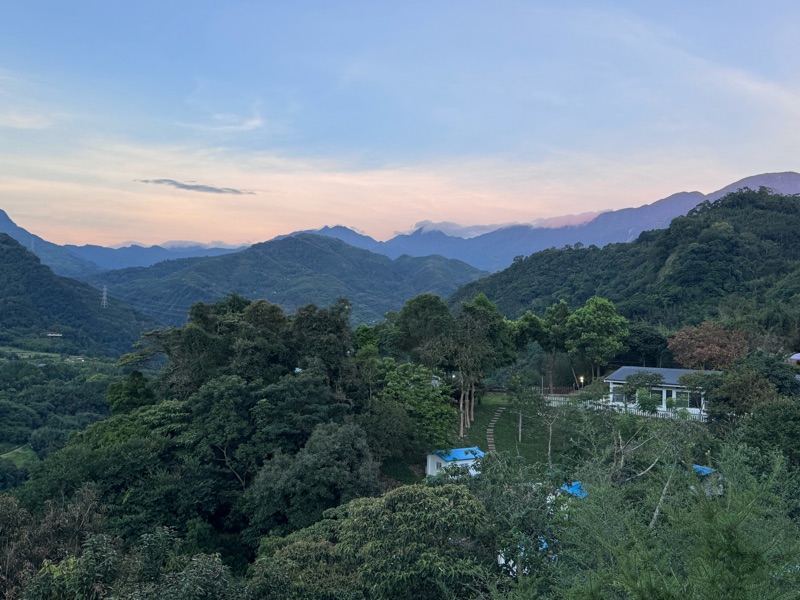
Before we got to Taiwan, we had been watching the weather and saw that it looked like there could be rainy days and storms. After we landed, most people we encountered said something about the approaching typhoon. It was at the car rental place that we became even more anxious. Apparently Taiwanese insurance for car rental doesn’t cover damage done by a natural disasters. On our first evening in Taiwan, we spent a lot of time considering our options. We had two nights in the mountains with great weather, but after that, the weather looked very unstable. Typhoon Bavi was set to hit just off Taipei late Friday night (our third night in Taiwan). Our stay in the coastal town of Xiulin where we were supposed to go hiking in the national park did not seem like the best idea. So, heartbreakingly, we canceled our stay at the Crossing the Rainbow Bridge B&B (who did not charge us because of the typhoon even though we were canceling within 48 hours!). We changed our hotel in Taipei as the one we were supposed to have for our last two nights in Taiwan couldn’t accommodate us for two additional nights. We ended up at San Want Residences, deciding to go a step higher than we usually do considering we may be in the room for a while. It was a lovely hotel, and we felt very spoiled!
We returned the car early, glad to return it before the torrential rains and strong winds set in, and they even partially refunded our rental fee, too! Arriving in Taipei by noon meant we could not check in yet, but also that there was a clear sky with time to wander, so wander we did!
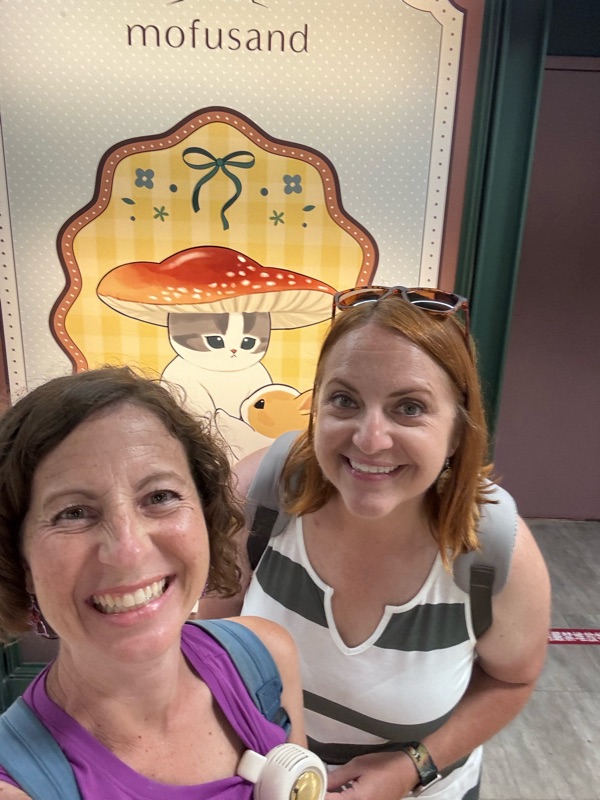
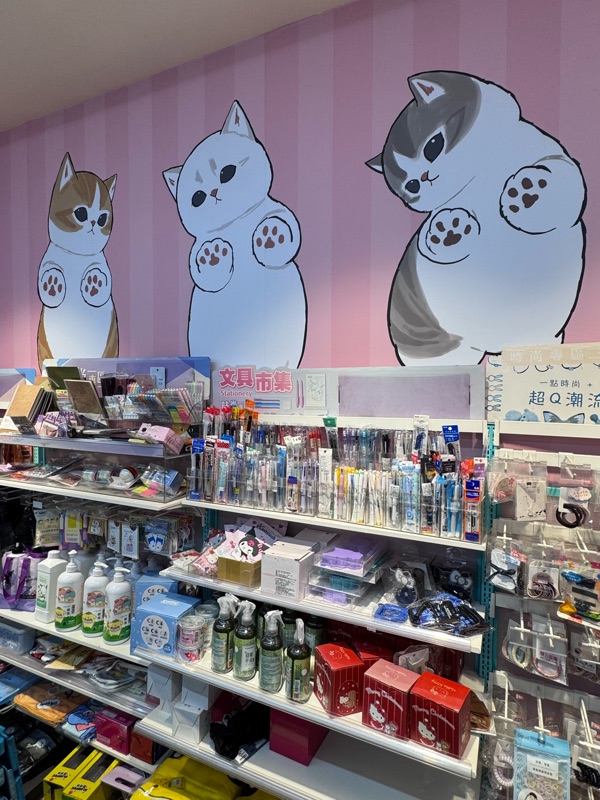
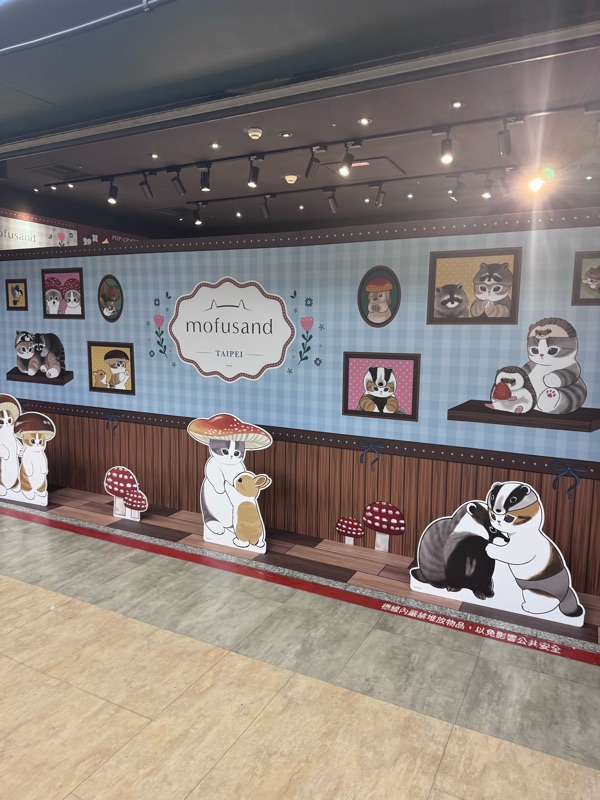
In Japan, we had fallen in love with Mofusand. There are so many adorable animated characters in this part of the world, that it was bound to happen that we would find one we loved. Mofusand is a Japanese animation of adorable kittens, usually dressed up, and most often dressed as a shark. Ridiculous? Sure. Adorable? 100%. Now, on the final leg of our journey, we felt the freedom to shop more. We didn’t have to lug it around any more (aside from getting home) and well, money on vacation is just different, right? The internet had told us that Mofusand was all over Taiwan, and so we ended up wandering more of Taipei than a grown woman should admit in search of this adorable cat. Our very first stop in Taipei was a 7-11 a thirty minute walk from our hotel. Rebecca, why would you walk a half hour across town when you could be at ten different 7-11s within a five minute walk? Well, this one, you see, was a Mofusand themed 7-11. It was adorable. He was present on any open wall space despite the fact that unfortunately, there were very few treasures with him on them. (There were more adventures to find him and more souvenirs bought after Bavi!) 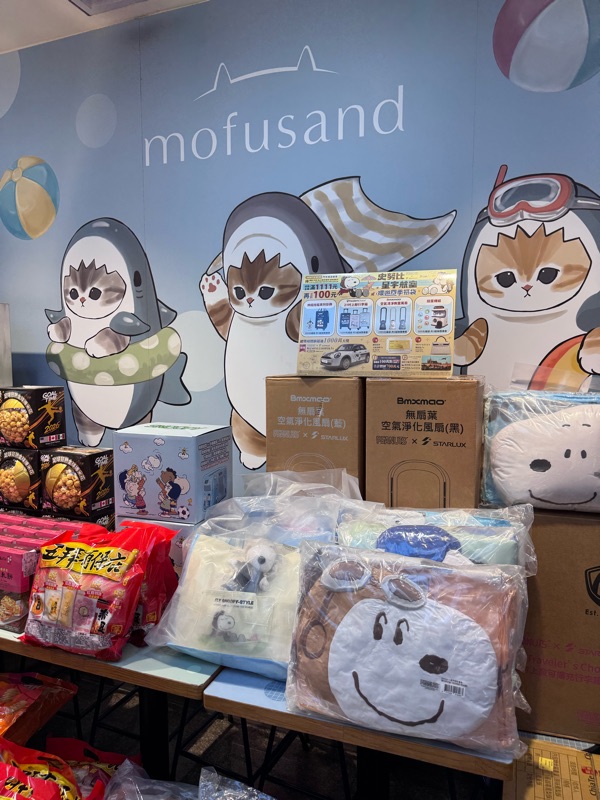
On our wander back to the hotel we joined a line at a food stand knowing that that was usually a good sign of the quality of what we were going to eat. While in line we watched a crew of people that operated like a well oiled machine, first getting a portion of meat, rolling it in green onions then covering it in dough. Before baking, it was “painted” with some sort of oil and sesame seeds before being placed in a hot oven. Later, we learned these were a special in Taiwan, pepper buns, and they were delicious! 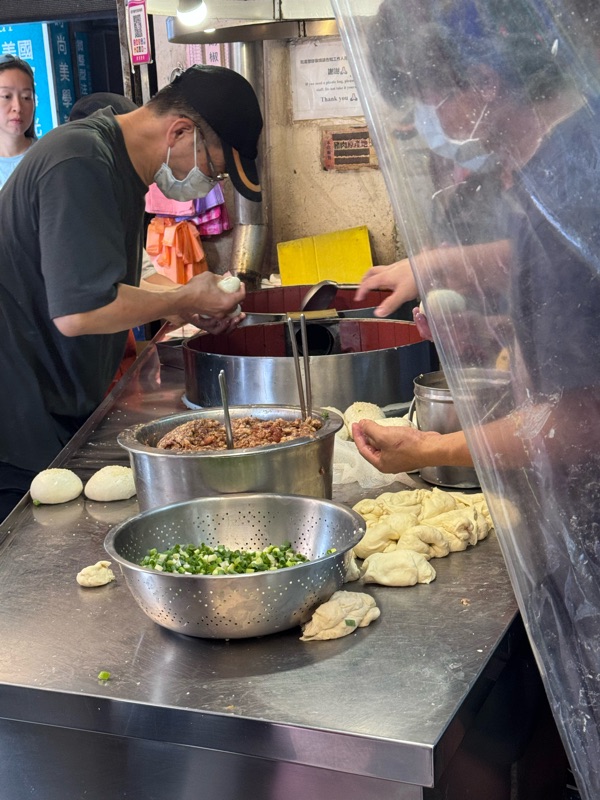
The rain came and went on our walk so we decided to stop at a mall only to find that it was already closed for the typhoon. It made more sense then as to all of the metal doors closed tightly on our wander. Most places were already closed in preparation for the storm. So, with rain already picking up and most things closed, we made a big 7-11 run of food, drinks, and snacks before settling in.
The next thirty-six hours or so were, thankfully, not very eventful. Our comfortable little room had great television options, so we enjoyed several movies. I knitted, we played gin. Our luxurious room even had an odd square “hot tub,” so we donned our bathing suits and added 7-11 Frozen themed bath bombs. We enjoyed a leisurely buffet breakfast and even got on the treadmill for a bit. Upon check-in, we noticed that the hotel offered afternoon tea, which is truly one of our favorite traditions. And so, as Bavi wreaked havoc outside, we sipped tea inside and ate our way through four layers of food. Bavi, thankfully, took a bit of a turn northward and weakened just a bit before hitting, as the eye passed more north than expected, Taiwan was spared the worst of it. It did rain hard for twenty four hours and the winds were quite strong, but when we finally left the confinements of our hotel on Sunday morning, aside from tiny branches and extra leaves on the sidewalks, you would have never known there had been a typhoon. We did learn later that the government reacted strongly and prepared for Bavi, quite possibly because the government had been criticized lately for their lack of actions during recent flooding. 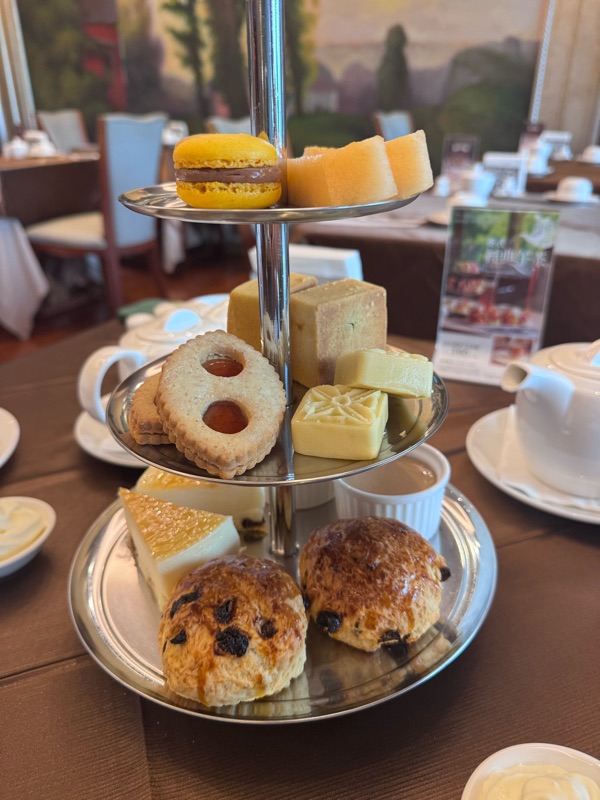
With the weather behind us, we had a bonus day in Taipei! It was hot! While the temperature was in the 80s, the humidity increased the “feels like” to triple digits. But the best way to see a city is to walk it, so we did just that! (We also took the metro several times, and it was great!)
Our first stop was Chiang Kai-Shek’s Memorial. I know incredibly little about Taiwan’s history, but what I learned (and I believe I understand correctly), is that this was the man who, under a century ago, helped Taiwan to become independent. The huge park had giant archways and beautifully landscaped gardens along with winding paths and small ponds. Inside the complex was also a concert hall and a theater. Around the park, people were participating in exercise classes like tai-chi and even hip hop dance. We went up the stairs of the memorial hall into a huge open area, and much like Lincoln looming over the visitors, a giant, seated Chiang Kai-Shek sat smiling over us all. 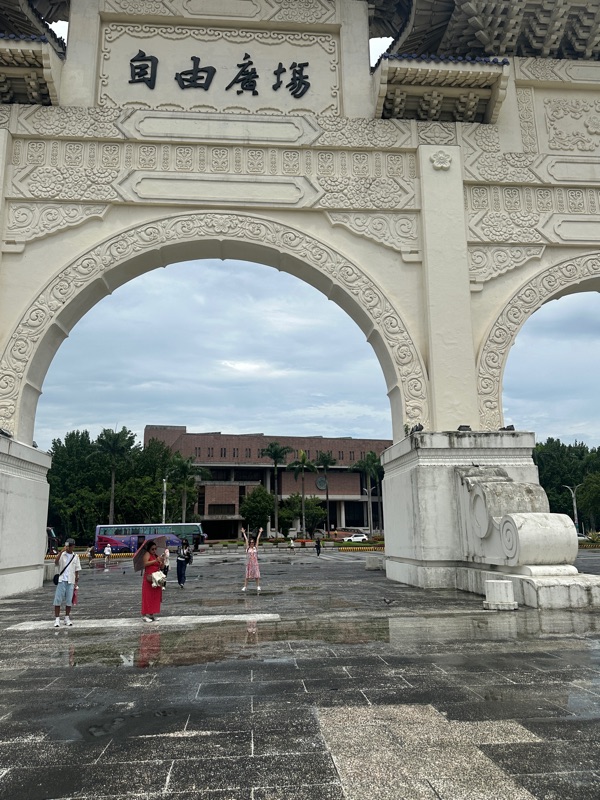
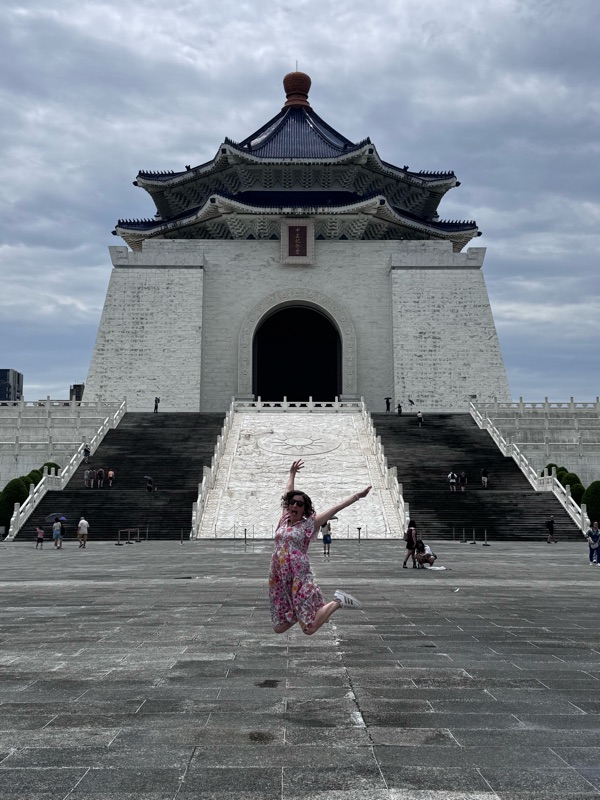
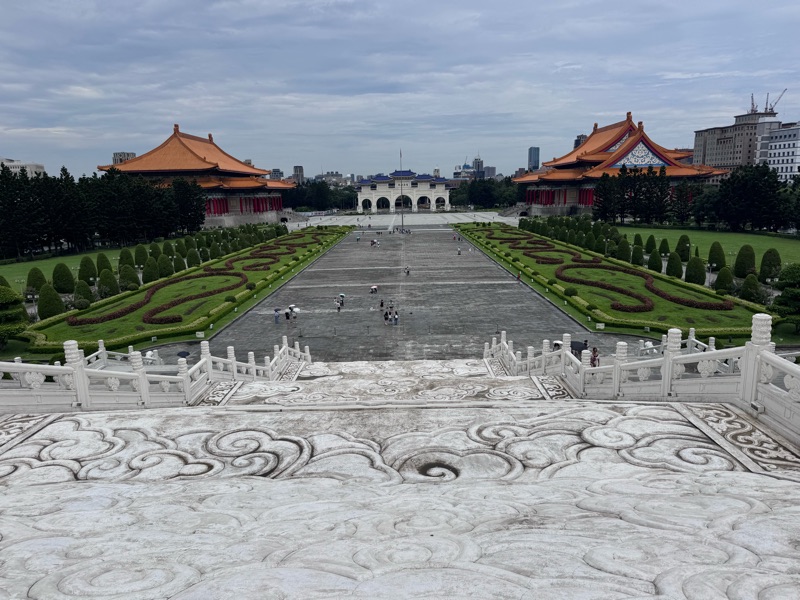
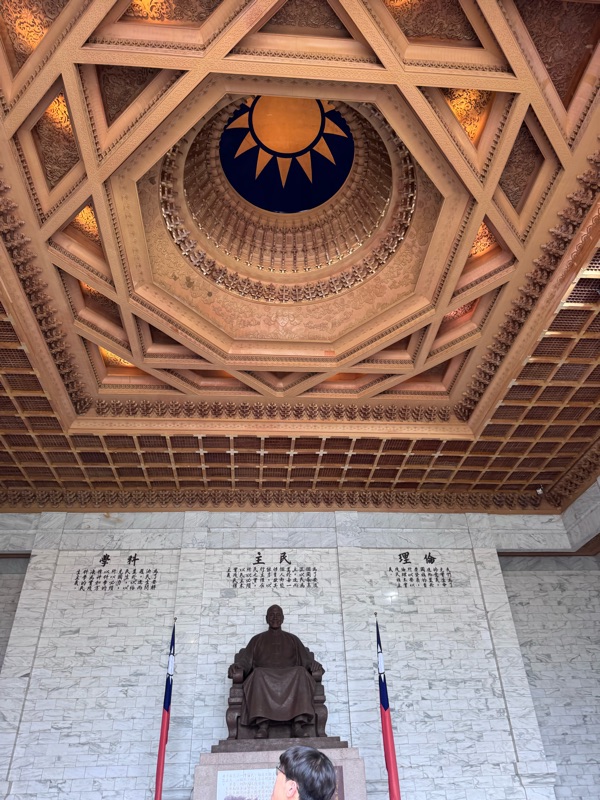
We were thrilled to see that there were exhibits in the air conditioned space below the memorial and enjoyed art as well as more history of Taiwan. I still have lots to learn, but I loved the exhibit about the last one hundred years. It was set up acknowledging the struggles in the fight for democracy around the world, but also comparing them to a flower. Flowers need to be not only planted but cultivated, watered, and supported to bloom continually. Exhibits honored mostly peaceful revolutions for democracy around the world in the last century. Taiwan, after WWII was under military rule of China for nearly half a century. This meant that the citizens not only were left with little voice, but were highly regulated in what was written and performed. Songs could only be chipper rather than reminding people of hardships. People who spoke up about the unfair rules disappeared. And yet now, the Taiwanese people at least appeared freer than our other two Asian destinations this year. We saw more people in shorts, more with tattoos, more gender-neutral bathrooms, and even more acceptance of the LGBTQ+ community.
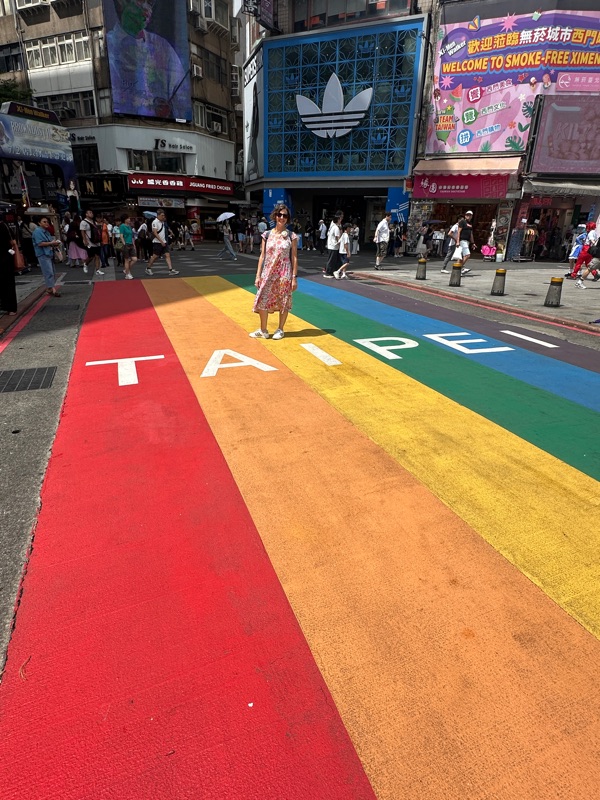
We enjoyed a lot of shopping (although now having to carry it all on our backs, “enjoy” does not appear to be the right word!). The Ximending Shopping District was a lively area with some name brand stores along with cheesy tourist shops. The Red House, Song Shan Cultural Park, and Huashan 1914 Creative Park were all unique places to shop. Each was an old factory building of some sort that had been remade into a place where small booths could be set up. I will say, if you are going, you don’t need to go to all three. They ended up having a fair amount of similar things, so I think I’d suggest Song Shan as my favorite!
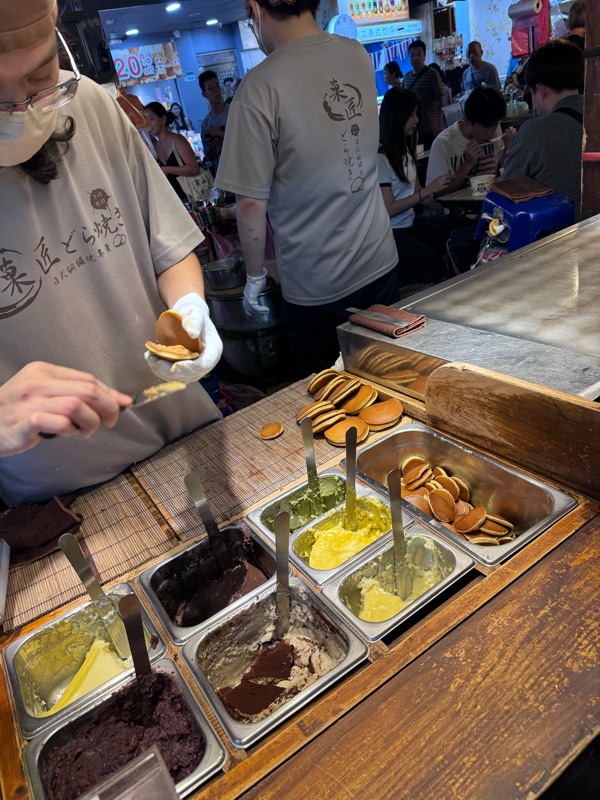
Taiwan is known for their night markets with food stalls galore. So, for dinner, we decided to venture to one on our own. We went to Raohe Night Market and wow! It was jam packed with people. Like a sea of fish, we moved slowly along in a single direction, only getting out of line when we saw something that tempted us. The sweet potato balls with lemon pepper salt were fabulous! I had already experienced some sweet potato balls in our breakfast buffet, and I couldn’t wait to get more! What is it? Well, balls of sweet potato that seem to be deep fried. Imagine fries, but even better! Next up, we got one piece of fried chicken that we didn’t finish between the two of us. It was crispy and we watched him cook it to perfection right in front of us. Next up was some crispy fried dumplings, and to attempt to balance it all out an avocado and coconut smoothie. For dessert, we got two tiny pancakes with peanut butter in between them. 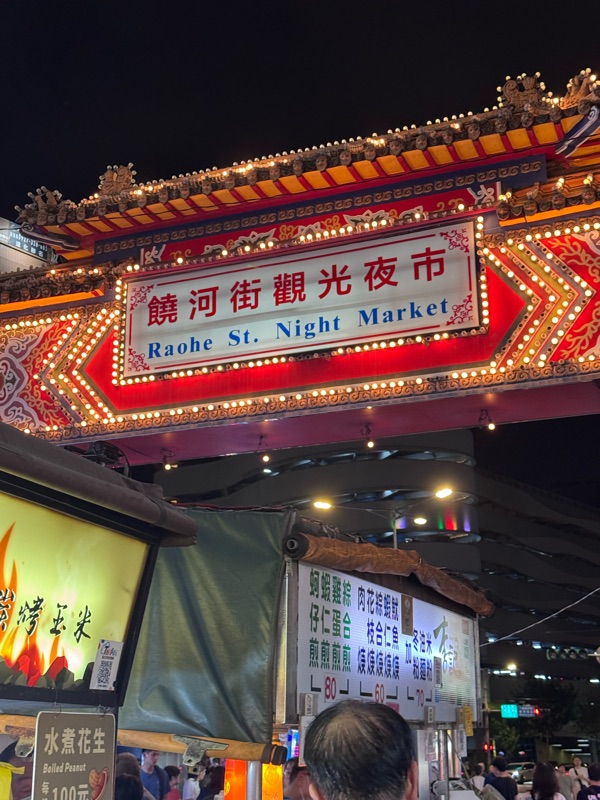
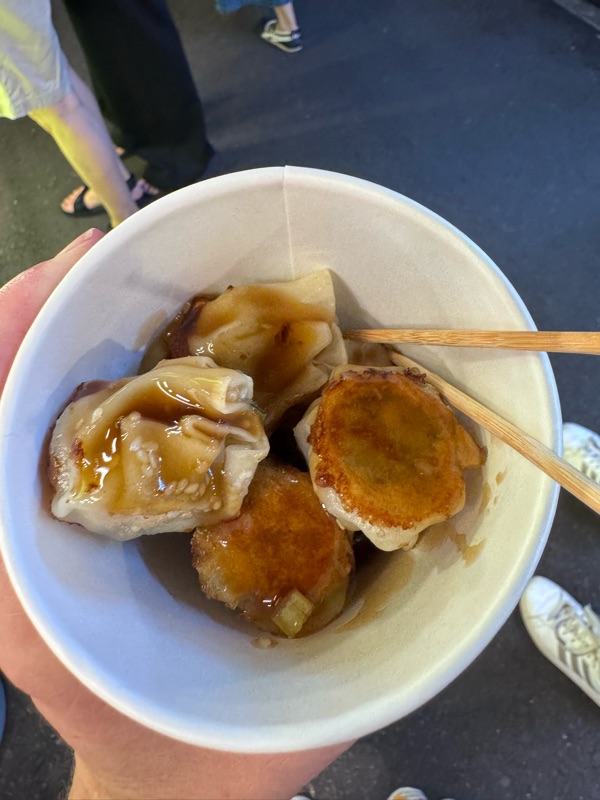
It was a delicious adventure, but I must also give a word of caution. At many points throughout the market, we were overwhelmed by an overpoweringly pungent smell. It was not at all times, but frequently we would come upon places where we had to hold our breath while we passed. Was it the infamous durian fruit we saw? We didn’t think it was that familiar odor. Was it the fishy things we saw? We had eaten at a fish market in Tokyo and had encountered unpleasant smells, but they weren’t strong enough to cover my tastebuds like this one. Was it just trash? If so, we didn’t see that much, and why wasn’t it all over the market? Research later taught us that it was “stinky tofu.” It was fermented in vegetable and meat brine, and well, I can only tell you that Jessica had nightmares about the smell that night.
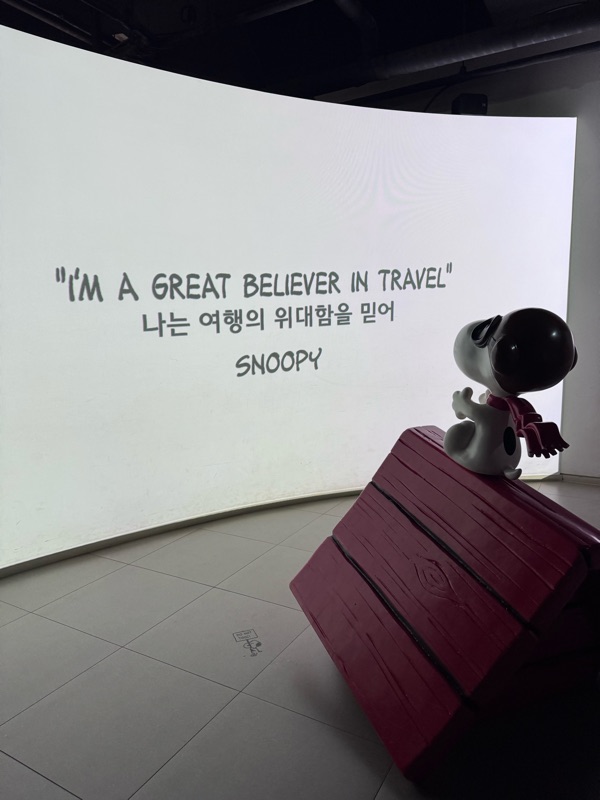
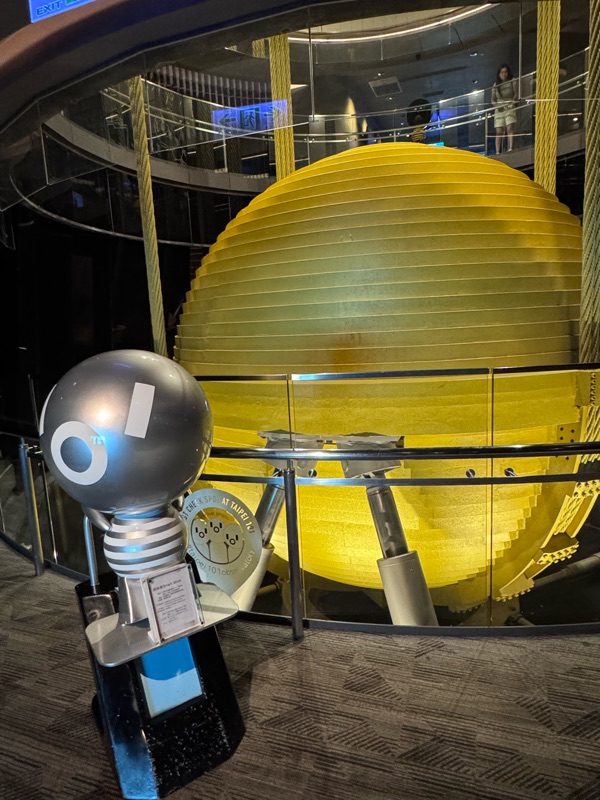
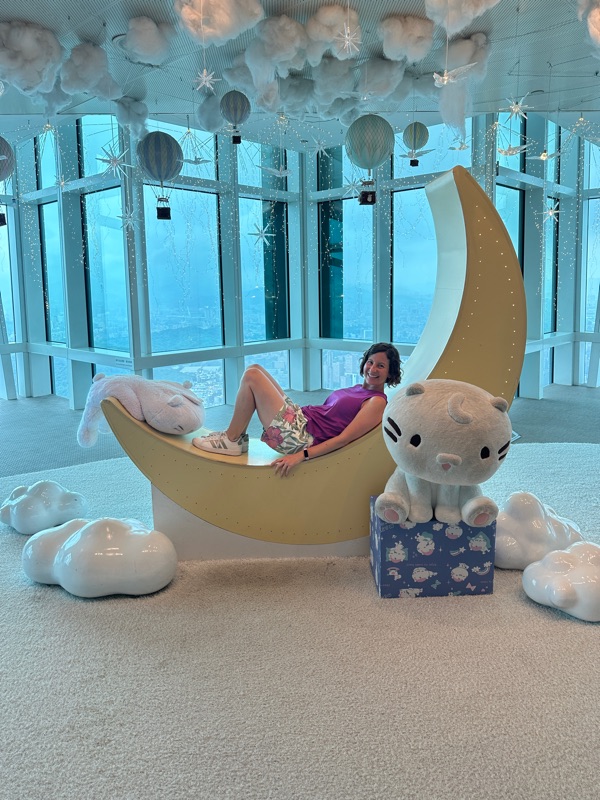
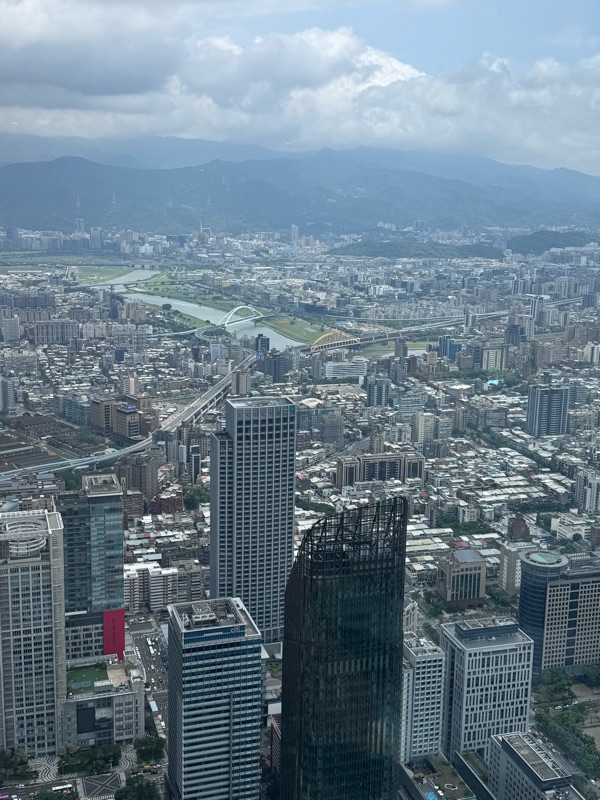
We had not planned to go up the Taipei 101 building, but with a bonus day, we decided we might as well. It was inexpensive, air-conditioned, and not crowded at all. It provided for beautiful views of the city and entertaining decor of animated characters as well. We even got to learn a little bit more about how the building is stabilized for earthquakes and strong winds. I’m so thankful there are smart engineers out there! 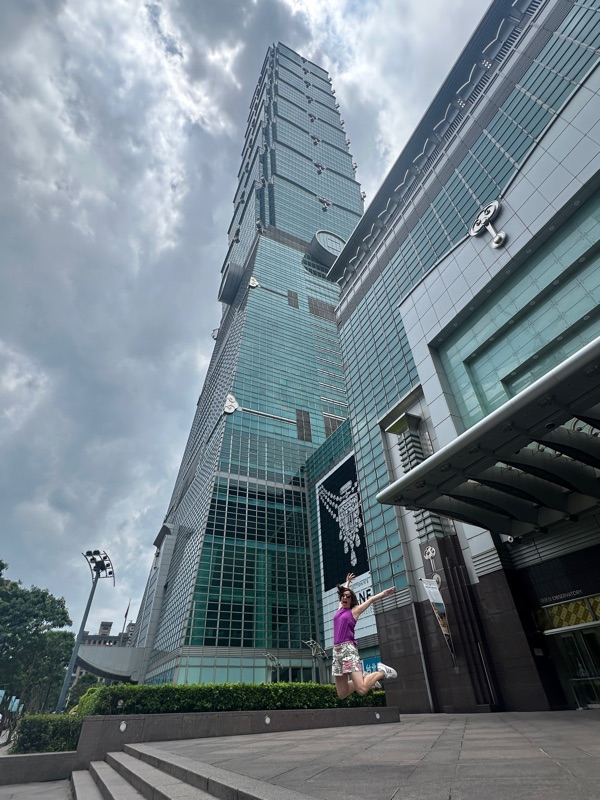
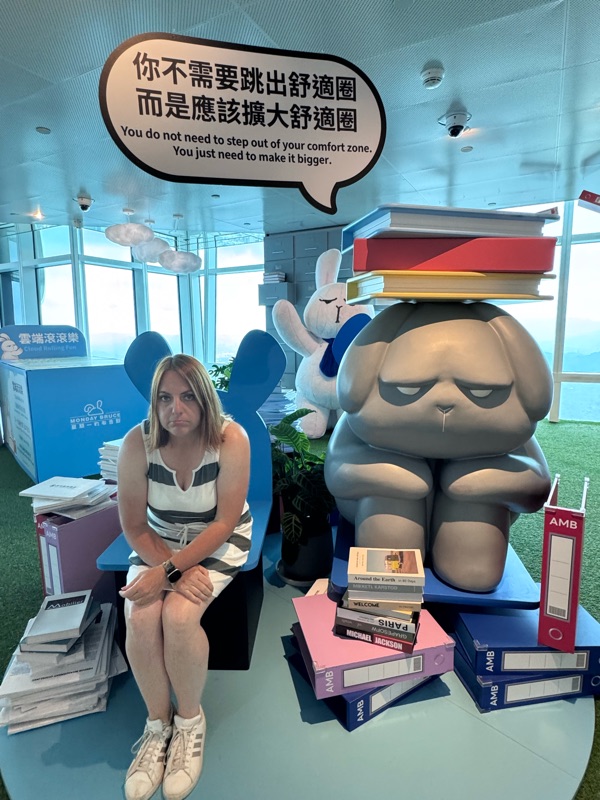
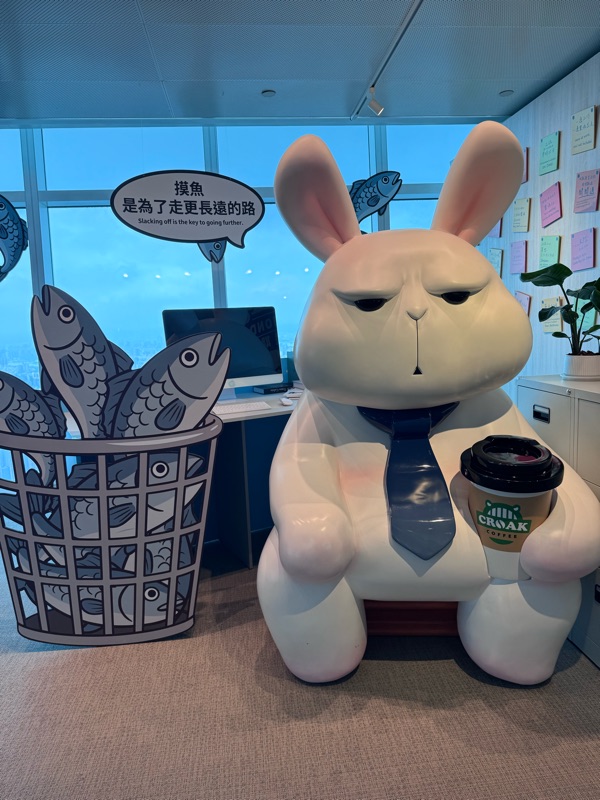
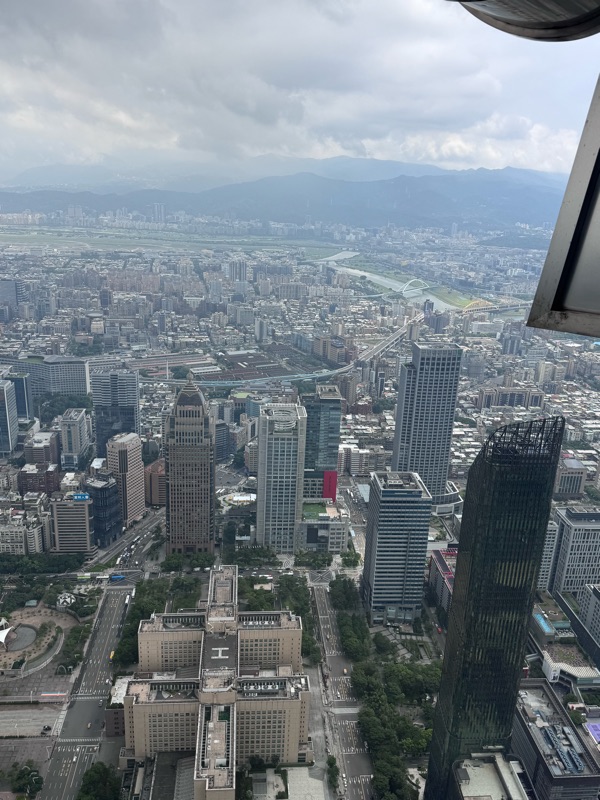
Our next night (and our last in Taiwan), we had signed up for a food tour. The description said “street food,” “night market” and even “tofu.” We got very nervous with this combination of words, although keep in mind I’ve eaten more tofu on this trip than I ever have before and it had been delicious. Thankfully, we had nothing to fear.
We met Julie and our four other companions for the food tour at a metro stop. Julie grew up in Southern California which meant we could understand every word she spoke easily. Her parents are both Taiwanese and decided to retire in Taiwan a few years ago and she decided to join them. She had great background knowledge, but was also easy to talk to and ask questions to as she, too, was a bit of an outsider. We also had a teacher from California, a teacher from Denmark, and a couple from Dubai on our tour. They were a fun group who added to the enjoyment of our evening. 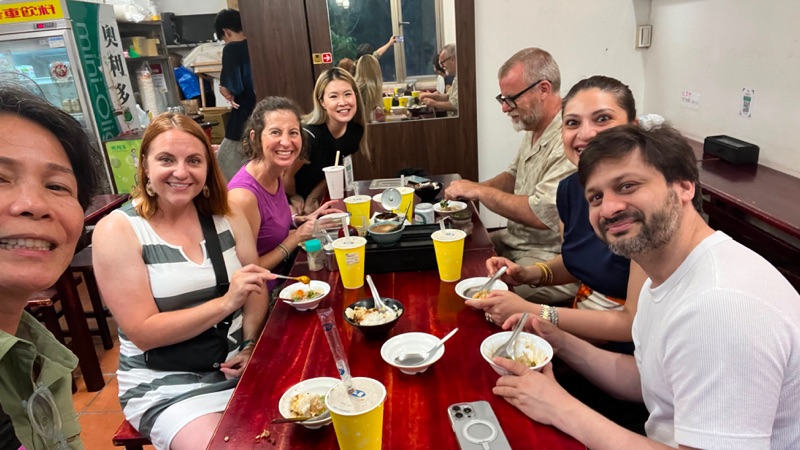
We started with pork-filled bao or steamed bun. (Why other cultures do so many forms of meat pies/dumplings and yet the South hadn’t fully embraced this is beyond my comprehension.) 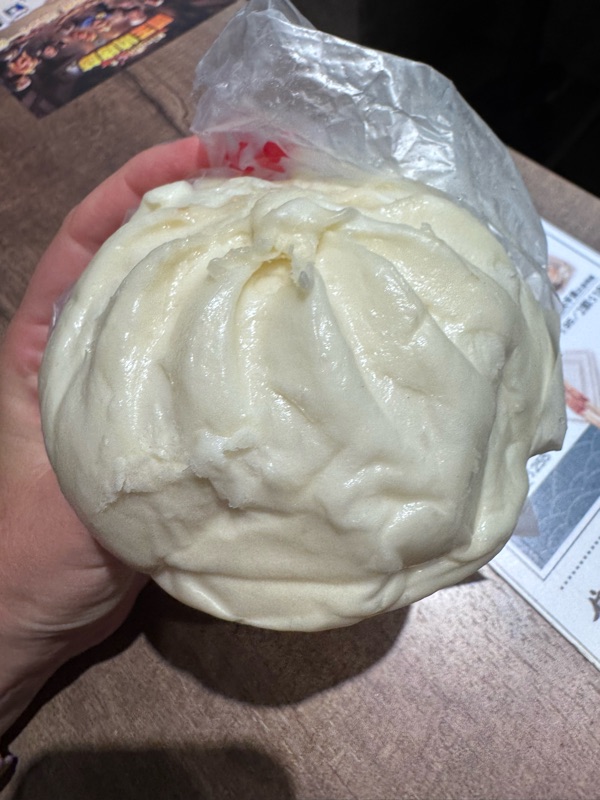
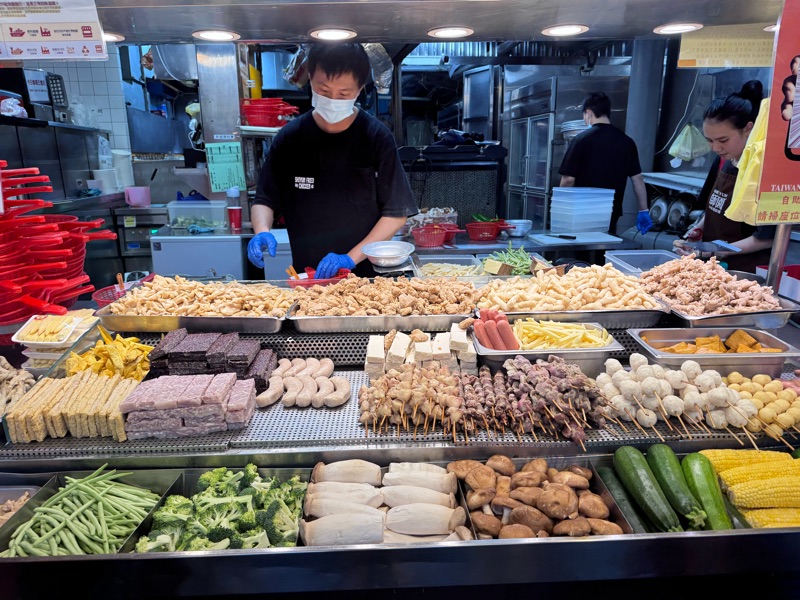
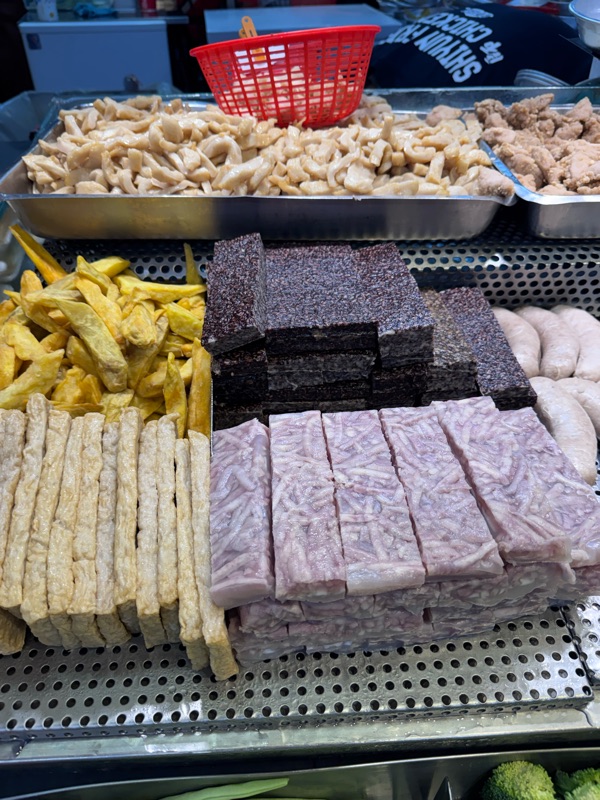
Next we learned about skewers. It sounds silly, I know, as of course we eat with skewers a lot at home, too, but it’s done differently here. At lots of restaurants, you pick up a small basket and fill it with your assortment of the skewers they offer from meat to veggies to fish to tofu. At the first “skewers” restaurant we had crispy tofu (not stinky tofu) as well as beef wrapped around tomatoes. Both were full of flavor and utterly mouth watering. At the next skewer stop, we had fish cakes which were fried pieces of fish a little larger than French fries and tasting mostly like the garlic powder sprinkled on top. There was also some fried chicken (not the skewer of chicken butt that was an option). But the best one was taro. It’s a root vegetable, but here it was in some sort of gelatin and then fried. I wish I had more information that I could understand, but it was delicious! 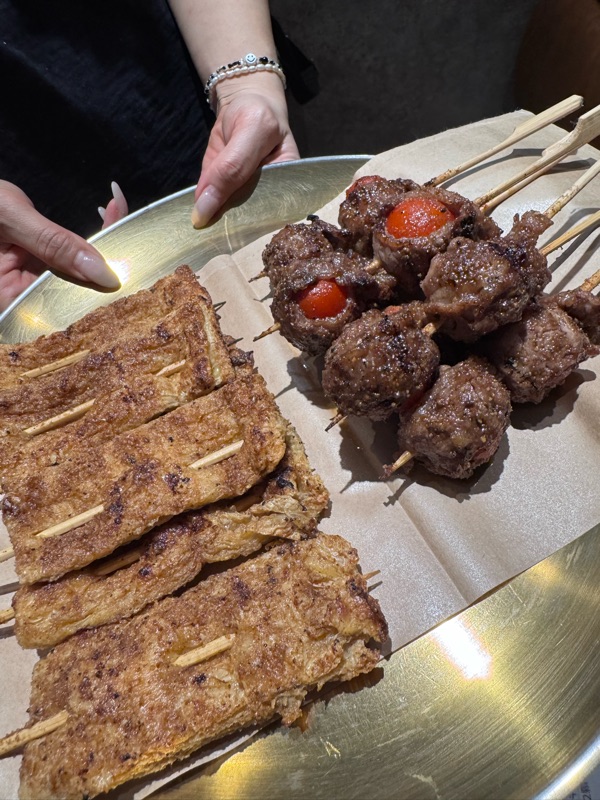
Our next course was something exclusive to Taiwan: Aiyu jelly. Aiyu is a fruit grown in high altitudes of Taiwan. When harvested, the seeds are soaked in a cloth, massaged, left in the refridgerator, drained, and what is left behind is a natural sort of gelatin. It is not all that sweet, but that’s why it is then mixed with fruit to be served as a chilly “soup” meant to be gulped out of the bowl more than spooned. I chose pineapple, and while it was a truly unique experience, I am not sure I’d say I loved it. The fruit of Taiwan though is truly delicious. As a tropical climate, almost all of the fruit they eat is grown right here on the island. Julie said that because of the hot weather, fruits have to work extra hard to protect themselves which means they grow more sugars and become even tastier. 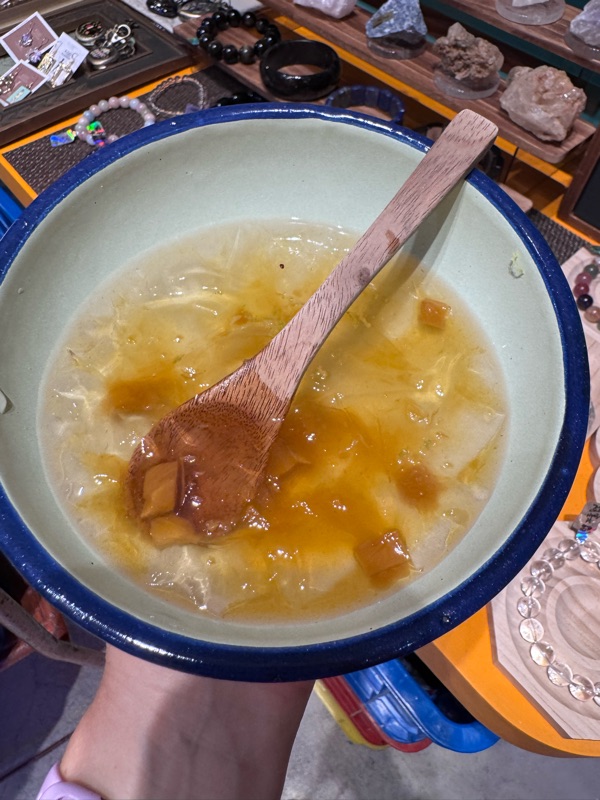
Boba is a type of tea invented in Taiwan. It is usually a milk tea with “bubbles” of tapioca in it. I had assumed that boba was some sort of name for bubbles. It is not at all. Julie said it meant “champion of breasts.” There was apparently a famous actress from Hong Kong who was well-endowed and it was sort of invented in her honor and as such, there is now a little pun in all the boba teas out there! The one we had was a roasted wheat one. I didn’t love it, but that was mostly because the toasted flavor was reminiscent of coffee to me, a flavor I despise. Jess had ordered a brown sugar one the day before and let me take a sip of it. It was delicious, as were the steamed buns I ordered with brown sugar bobas inside! So, it’s not the boba tea I dislike, it is just particular flavors.
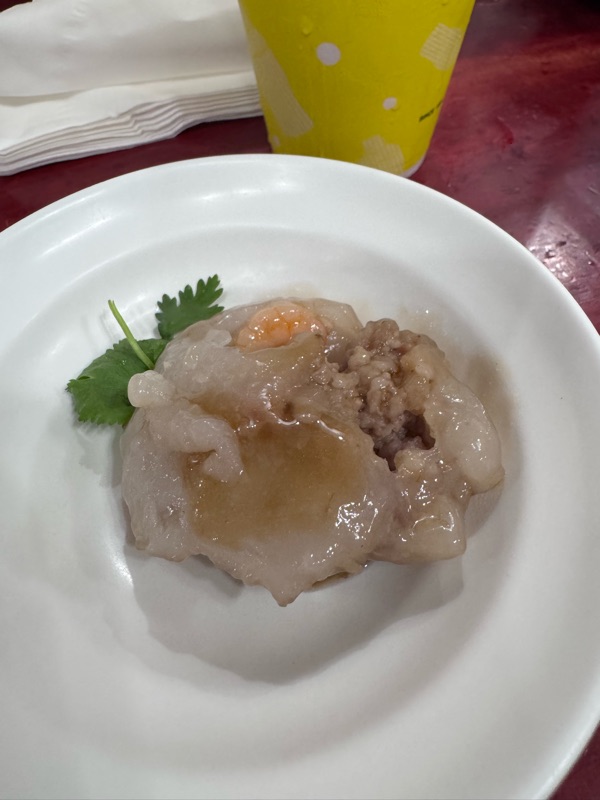
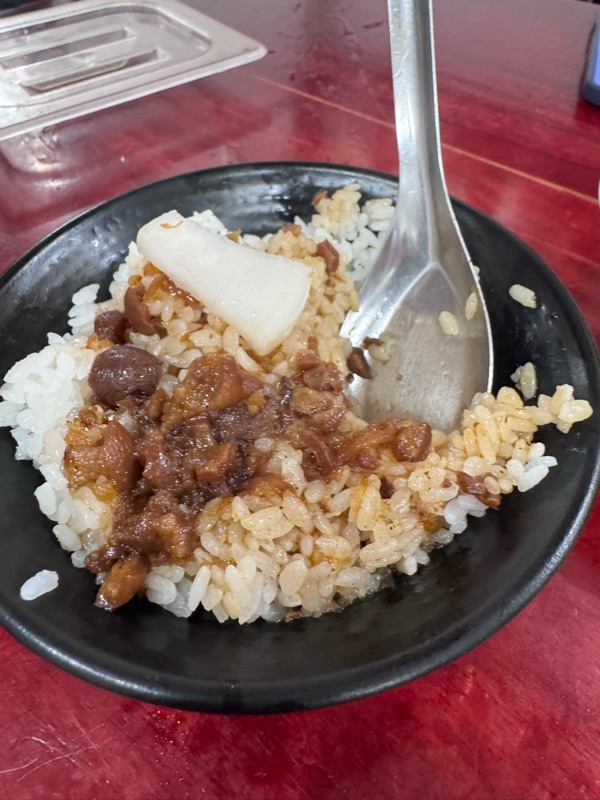
At our next restaurant, we had three dishes. The simple pork and rice meal she said was a nod to the days when Taiwanese people lived in greater poverty. As there wasn’t a lot of money, meat was hard to come by, so a tiny bit of pork was served with a heaping bowl of rice. We also ate Taiwanese meatballs with shrimp in them and some sort of savory rice pudding. 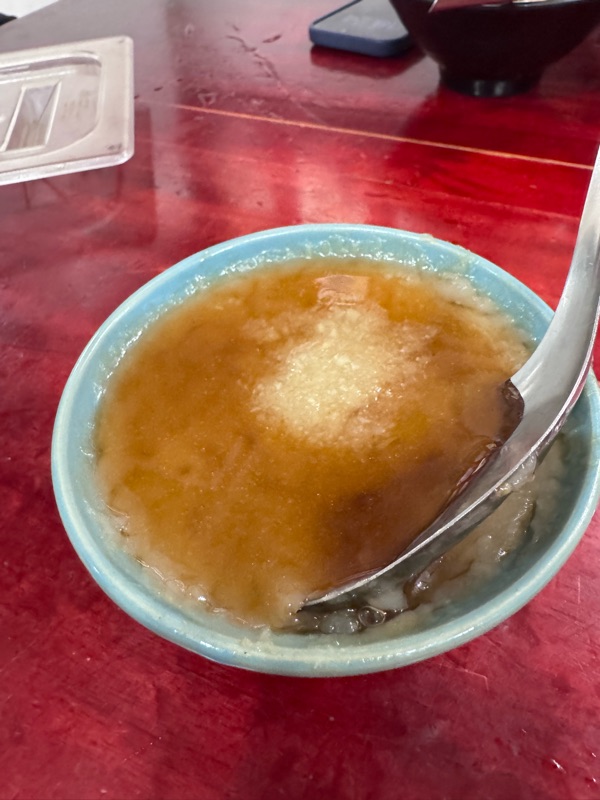
A Taiwanese pancake with scallions was next. The term, as Julie acknowledged was a bit misleading. The dough wasn’t sweet at all, but rather more similar to naan bread. Ours was served with egg and basil, making it a savory bread that was easy to pick at and enjoy. 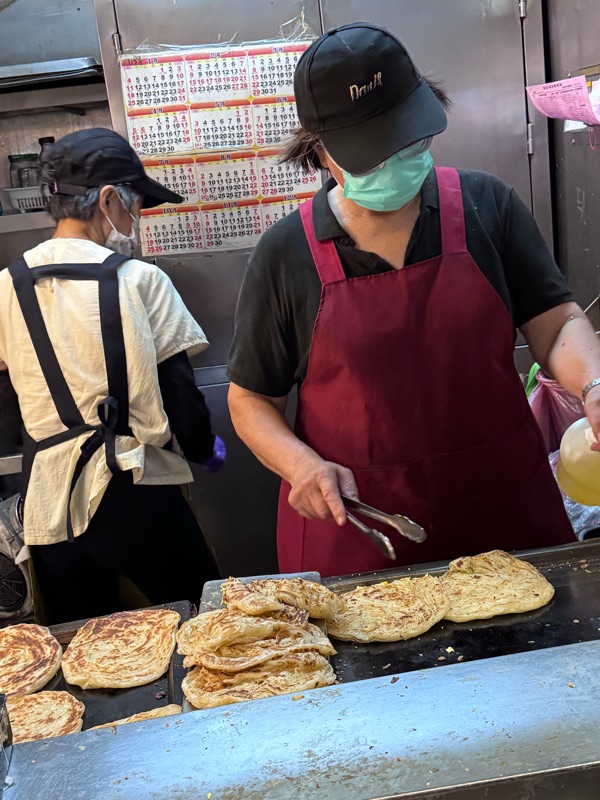
For dessert, we went to a bakery known for making traditional Taiwanese pastries. There were samples of about ten different ones for us to try. The pineapple cakes are what they are known for. Picture a square cake a couple inches cubed with a breading somewhere between a cake and a cookie surrounding a thick pineapple jam. They were scrumptious! We also got to try ones with banana, mango, and taro inside. 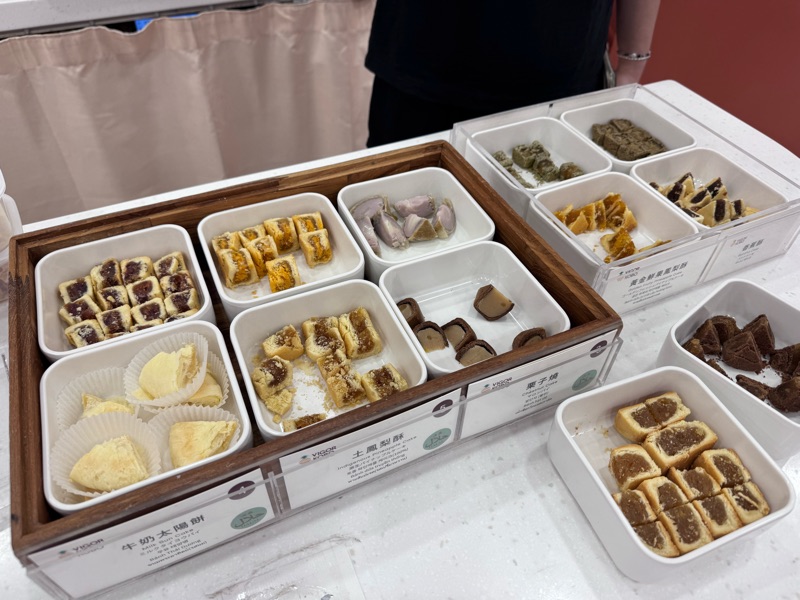
Julie said it is hard to truly pinpoint Taiwanese food as the country has been colonized by so many countries. Portugal, Denmark, Japan, and China all laid claim over this island at some point. Today, the people of Taiwan are so intertwined with the global economy, and they have such an appreciation for food, that much of what is eaten is really more fusion. It is unique and flavorful for sure, and I’m so glad we got to go on this tour to try so many things and learn so much about the food of Taiwan!
When planning my trip to Taiwan, I wanted to see the beauty of the country. That’s where we planned to spend the majority of our time. Mother Nature had other plans for us, though. I’d like to say that I’ll be back to Taiwan to see more of the incredible scenery that awaits me as it certainly didn’t get a fair shot of showing off this trip. “Yet knowing how way leads on to way,” I’m not sure I’ll return here. But for now, I leave with a full stomach, a smile on my face, bags heavier than intended, and memories of welcoming people and intriguing places.